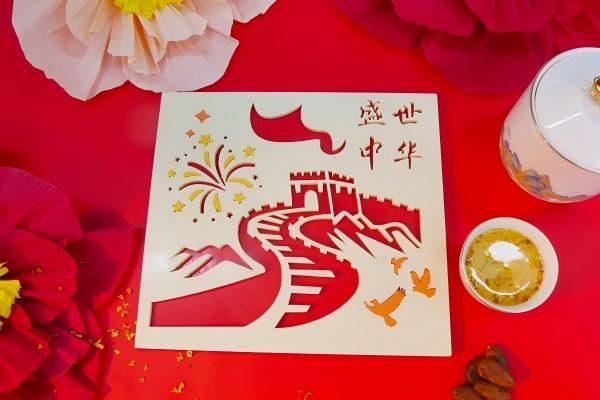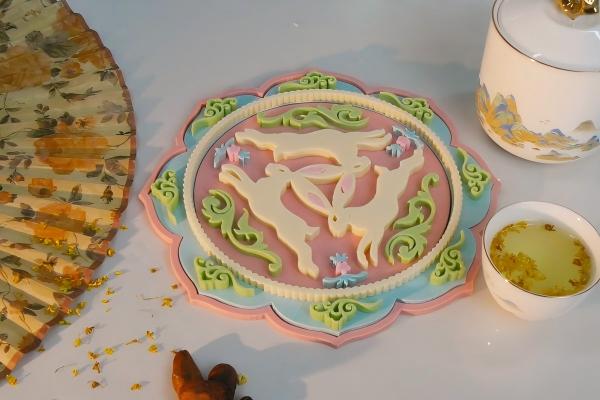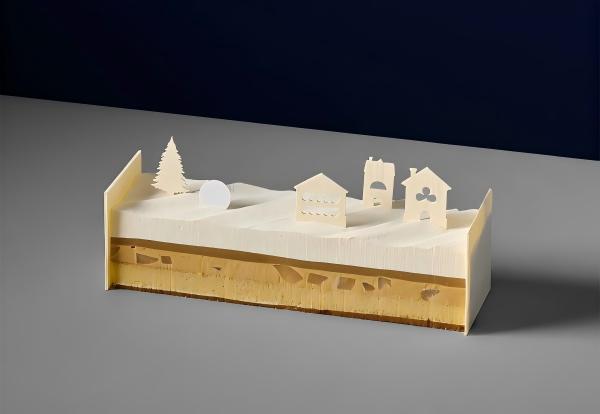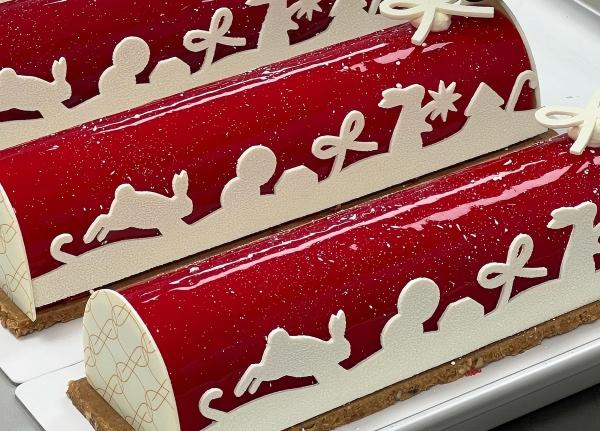
Did you know that a water jet can cut nougat?

Manual Cutting versus Food Waterjet Cutter for Nougat Production
In food manufacturing, cutting technology exerts a direct influence on productivity, product quality and profitability. While manual cutting has traditionally been employed for nougat production, the modern waterjet cutting machine has established itself as a superior alternative. This essay evaluates the two methods across four key dimensions.
First, the waterjet cutting machine is substantially more efficient. Manual cutting is contingent upon worker proficiency, exhibits constrained output and fluctuating productivity, encountering difficulties in meeting large-scale order demands. Conversely, automated food waterjet cutter supersedes 5-10 workers, operates 24/7 and yields 5-10 times higher output.
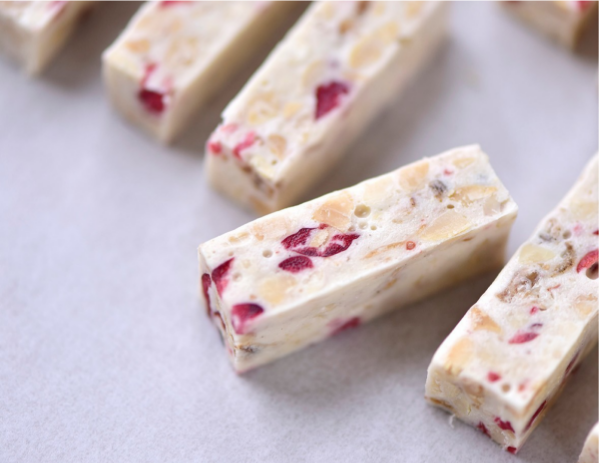
In terms of quality, manual cutting yields inconsistent sizing, rough cut edges and deformation attributable to blade adhesion. Waterjet technology utilises ultra-high pressure water instead of blades, obviates adhesion and compression. It attains millimetre-level accuracy and can slice any complex geometry with impeccable consistency.
For food safety, manual cutting engenders cross-contamination hazards via direct human contact. The waterjet cutting machine utilises 316L food-grade stainless steel and 5-stage filtered water, with zero human intervention, rendering it fully compliant with international safety standards.
While initial capital outlay is greater, the food waterjet cutter minimises long-term labour expenditure and defective product waste, affords superior long-term value.
In conclusion, the waterjet cutting machine is demonstrably superior to manual cutting in all key aspects, rendering it the optimal upgrading solution for nougat manufacturers.