Application of food waterjet cutting machine in the Russian chocolate and cake industry

Russia’s confectionery and baking industry is massive, with mousse cakes, multi-layered desserts, and tempered chocolate being the mainstream products. Holidays such as New Year’s Day, International Women’s Day, and Victory Day drive strong demand for uniquely shaped desserts and chocolate decorations. For a long time, ultrasonic cutting machines have been the mainstream cutting equipment in high-end Russian confectionery factories. However, due to factors such as equipment wear and tear, disruptions in the spare parts supply chain, and limitations in shaping capabilities, pure water-based waterjet food cutting machines, particularly the food waterjet cutting machine in the Russian chocolate, are gradually entering the market, demonstrating their potential to replace ultrasonic cutting in the chocolate and frozen cake niche markets. The introduction of the food waterjet cutting machine in the Russian chocolate is revolutionizing the industry.
Ultrasonic cutting relies on the high-frequency vibration of titanium alloy blades to separate ingredients. It performs stably in standard square and triangular cake segmentation, but its shortcomings are becoming increasingly apparent in the actual production environment in Russia. Firstly, titanium alloy blades and transducers are precision consumable parts. Previously, European-made equipment dominated the market, but with changes in the geopolitical environment, the supply cycle for imported spare parts is lengthy, and equipment failures directly interrupt production. Secondly, ultrasonic cutting is limited by the shape of the blade. Processing complex hollow designs, irregular logos, and holiday-shaped chocolate decorations is difficult, often requiring blade replacement for each complex shape change, resulting in high costs for small-batch, multi-SKU production. When cutting hard, thick chocolate, high-frequency vibration can also easily cause the chocolate edges to chip and produce fine crumbs, affecting the appearance of gift box products .
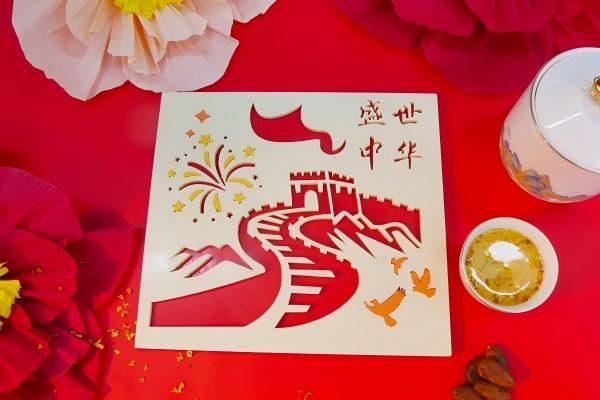
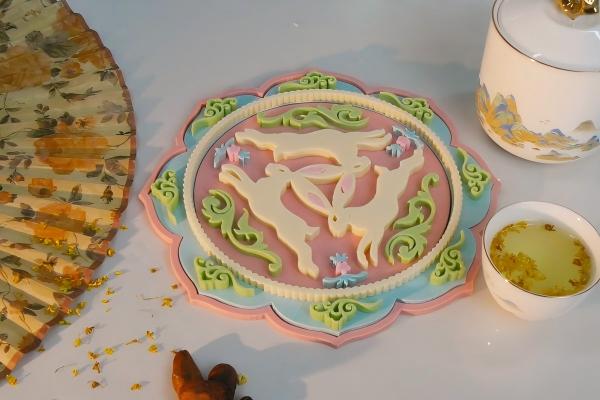
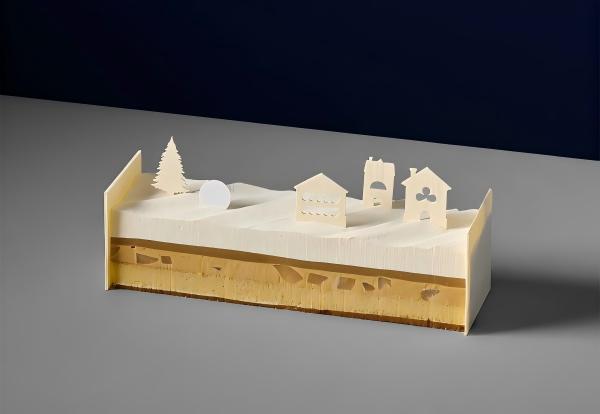
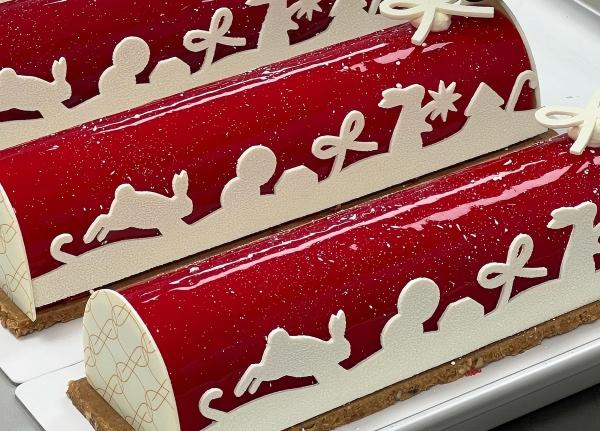
Food waterjet cutting utilizes abrasive-free, high-pressure, cold-cutting with pure water. Since no blades come into contact with the food, cutting is completed using a high-speed water jet, perfectly complementing the shortcomings of ultrasonic cutting and making it ideal for the production needs of Russian baking companies. For frozen mousses and multi-layered cakes, waterjet cutting processes directly under freezing conditions, resulting in clean, vertical cuts that prevent cream compression and layer misalignment, effectively reducing dessert spoilage rates. For tempered hard chocolate, the cold cutting process eliminates friction and heat, preventing melting, blooming, and whitening of the chocolate. The resulting smooth cuts allow for the direct production of chocolate letters and decorative holiday items, eliminating the need for secondary polishing or finishing. The food waterjet cutting machine in the Russian chocolate is proving to be invaluable in modern production.
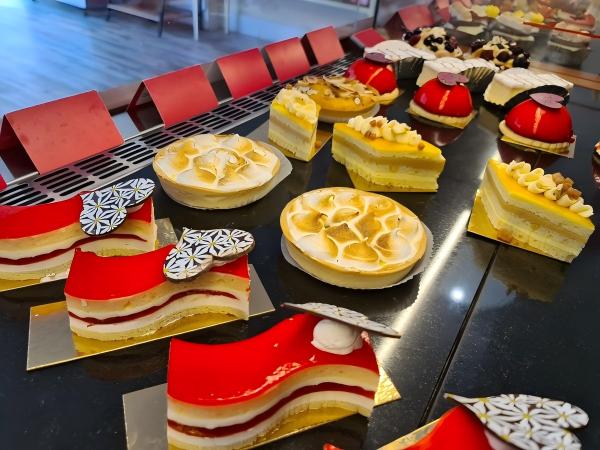
In terms of application scenarios, large-scale confectionery and bakery factories and central dessert factories in Russia are the main customers of waterjet equipment. Large factories use it for batch cutting of gift box desserts and pre-made frozen cake bases; central factories supplying chain bakeries can switch product outlines simply by importing drawings into the waterjet equipment, without the need to customize a large number of molds, adapting to small-batch orders with multiple styles for Russian holidays, and improving flexible production capabilities. High-end bakeries in Moscow and St. Petersburg use this equipment to create uniquely shaped chocolate accessories for weddings and celebrations, creating differentiated high-end products. In contrast, ultrasonic cutting is more suitable for mass production of simple geometric shapes, and it falls short when faced with custom orders for irregular shapes.
Of course, waterjet equipment will not completely replace ultrasonic cutting; each has its own applicable limitations. Waterjet equipment has a higher initial purchase cost and requires a simple wastewater filtration system, making it unsuitable for room-temperature, extremely soft whipped cream cakes. Ultrasonic cutting, on the other hand, still has a cost advantage in the high-speed mass production of simple square and triangular cakes. Waterjet’s replacement of traditional cakes is mainly concentrated in high-value-added sectors such as irregularly shaped chocolate decorations, complex multi-layered frozen cakes, and multi-SKU gift box desserts .
Equipment compliance and localized services are key hurdles for entering the Russian market. Food-grade waterjet equipment must obtain Eurasian Economic Union (EAC) mechanical safety certification, and all parts in contact with food must be made of 316L food-grade stainless steel to meet Russian food hygiene regulations. Additionally, a Russian-language operating interface, local spare parts inventory, and on-site repair services are required to address the pain points of difficult after-sales service previously encountered with European equipment.
Overall, in the Russian baking and confectionery market, food water jet cutting machines represent a new solution for high-end dessert manufacturing. While they cannot completely replace ultrasonic cutting at present, with local baking companies pursuing product differentiation and the supply chain of imported high-end equipment being disrupted, waterjet cutting, with its superior ability to process irregular shapes and stable cutting results, will continue to expand its market share in the chocolate and high-end frozen cake sectors.