What accounts for the difference in creative chocolate designs? How do international masters create sophisticated shapes?

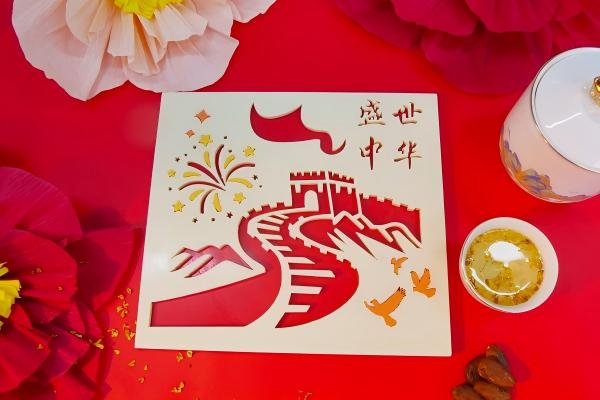
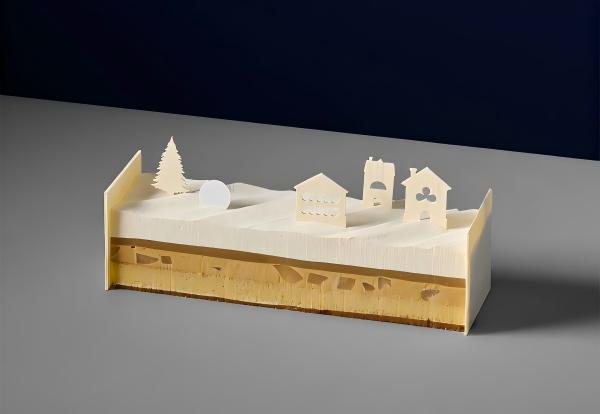
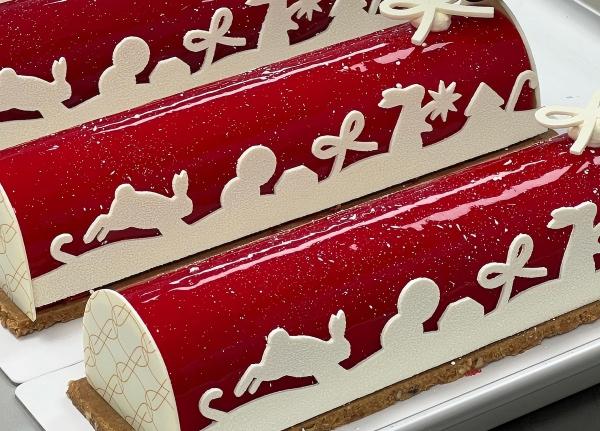
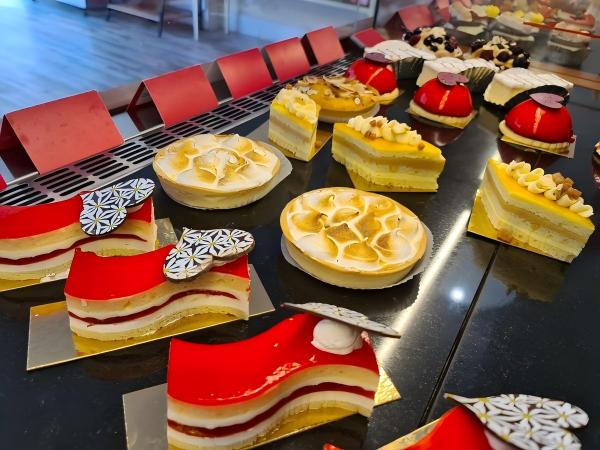
Those who follow international dessert competitions and high-end baking exhibitions may have noticed an interesting phenomenon: while the difference between domestic and international finished chocolates isn’t significant, the artistic and creative designs of international pastry chefs often demonstrate greater depth and sophistication, with a proliferation of intricate cutouts, irregular shapes, and modular compositions. This difference isn’t due to a difference in aesthetics, but rather to variations in creative tools and processing techniques . Many professional chocolate creators overseas now utilize food-grade water jets to bring complex and creative designs to life.
Chocolate production in China’s baking industry is still mainly based on traditional techniques, including hand carving, mold casting, and ultrasonic cutting. These techniques are convenient to operate, have low barriers to entry, and can meet the needs of the mass market for commercial use, such as regular slicing, basic geometric shapes, and simple plating decorations. They are suitable for standardized mass production and daily use in stores.
However, traditional craftsmanship has obvious creative limitations. Hand carving relies on the experience of the craftsman, resulting in poor consistency of finished products and problems such as chipping, crumbling, and cracking. Mold casting has fixed patterns, making it difficult to achieve personalized innovation. Ultrasonic cutting has problems with micro-heat and vibration, which can easily cause chocolate to deform and break when making ultra-thin, intricate hollow shapes. Many exquisite creative designs can only remain at the drawing stage and cannot be brought to life.
This is also the key to the gap between high-end chocolate creations overseas. Currently, most of the creative works of top international dessert studios and contestants use food waterjet cutting technology, which effectively breaks the shackles of traditional handmade creation and upgrades chocolate creation from experience-based craftsmanship to a digital and precise creation model.
The food-grade waterjet cutter uses room-temperature pure water for non-contact cold cutting. The process involves no squeezing, vibration, or temperature rise, perfectly suited to the brittleness and heat sensitivity of pure chocolate, preventing melting, whitening, or cracking. Utilizing a digital control system, internationally renowned designers can freely create complex geometric structures, intricate hollow patterns, streamlined shapes, and multi-layered 3D splicing, among other creative designs. The equipment can precisely cut and shape the chocolate in one pass, producing a smooth, even, and fine cut without the need for manual refining.
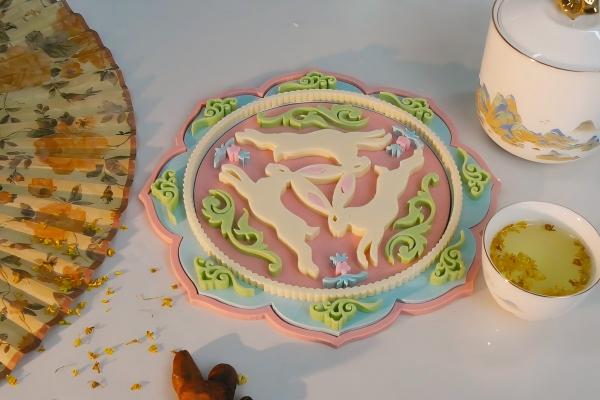
In various international dessert competitions and high-end baking art exhibitions, many outstanding works rely on food-grade water jet cutting for their exquisite craftsmanship. Internationally renowned chocolate artist Amaury Guichon, in his giant chocolate art pieces, used a food-grade water jet to cut out neat and delicate chocolate zipper-like structures, achieving even and clean lines with outstanding detail and texture, solving the challenge of creating fine, continuous textures that are difficult to achieve with traditional techniques. International dessert designer Dinara Kasko, specializing in architectural geometric chocolate works, uses a food-grade water jet to precisely cut modular slices and three-dimensional components, creating edible sculptures with a strong sense of space, rich layers, and tight joints. Furthermore, the hollowed-out gear chocolates, ultra-thin curved decorations, and symmetrical art pieces commonly seen in high-end international competitions are mostly formed using food-grade water jet cutting. These highly precise and complex shapes are difficult to replicate using traditional techniques, effectively enhancing the artistic quality and creative expression of international chocolate works.
Beyond high-end artistic creations, food waterjet cutting is also suitable for commercial boutique customization scenarios. The equipment’s fine cutting slits and high precision effectively reduce the waste of high-end chocolate ingredients and consistently reproduce various design details. Whether it’s a masterpiece worthy of a competition, a custom-shaped chocolate for a store, or a themed decorative item, standardized replication is possible, balancing creativity, aesthetics, and practicality. This is a key reason why high-end chocolate creations overseas exhibit consistent quality and a wider range of creative dimensions.
As the domestic baking industry gradually upgrades towards refinement and artistry, waterjet cutting techniques for food are becoming increasingly popular. Advanced equipment helps domestic baking professionals break through creative limitations, unlock more high-end creative chocolate designs, gradually align with international baking art standards, and narrow the technological gap between domestic and international high-end dessert creation.